Updated: 2026-03-04 16:55:29
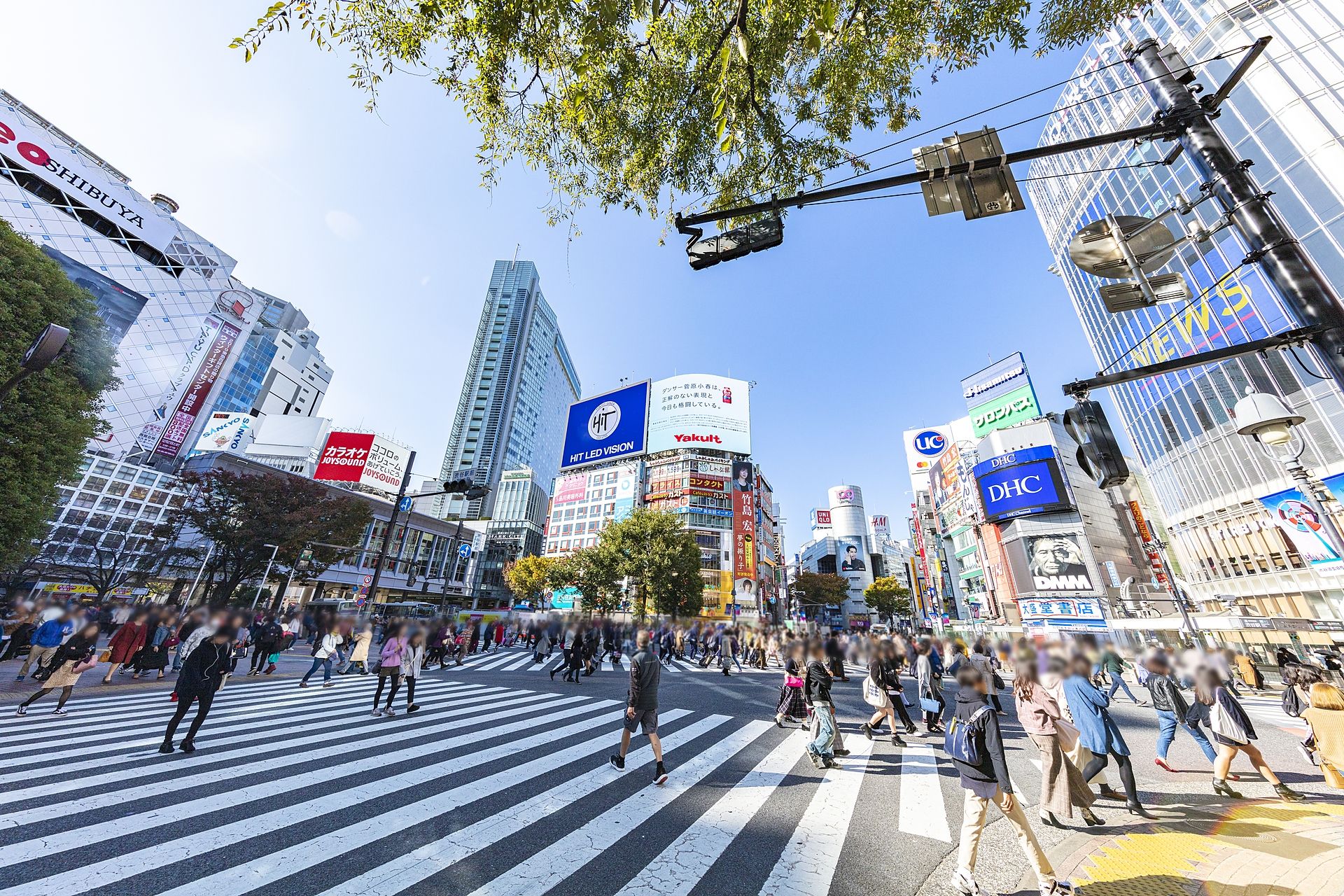
Imagine up to 3,000 people stepping out at once, weaving past each other without a single collision—this is "organized chaos" at its finest. Thanks to its countless appearances in movies and anime, Shibuya Scramble Crossing has become a global icon of Tokyo. At night, the glow of neon lights, massive screens, and the never-ending tide of people create an energy that is incredibly popular not only with tourists but with locals as well.
However, there is "another side" to this famous landmark that guidebooks often fail to mention.
This crossing is a melting pot where people from all over the world converge, all waiting for a single light to signal their movement. Standing in the middle of it is more than just sightseeing; it’s a "rite of passage" where you can feel the sheer dynamism of a modern metropolis with your entire body.
Despite the fact that up to 3,000 people cross during a single green light, they move seamlessly without bumping into one another. This mysterious sense of order, where no trouble ever seems to arise, is a constant source of wonder for international travelers. This scene, where Japan’s unique blend of "harmony" and "disorder" coexist, is arguably the world’s best free entertainment—even if Japanese locals take it completely for granted.
Shibuya is particularly breathtaking after the sun goes down. Massive digital screens surrounding the intersection erupt with dazzling colors, and on rainy days, the wet asphalt reflects the neon, transforming the entire neighborhood into a scene from a cyberpunk film. No matter where you point your camera, you’ll capture "Tokyo in the moment."
The crossing is just the beginning. Beyond it lies Center-gai—the epicenter of the latest trends—along with endless shopping, dining, and nightlife. This area is constantly fueled by Tokyo's boundless energy, making it a place where you could spend hours without ever getting bored.
You cannot conquer the crossing without first navigating Shibuya Station. With its maze-like underground passages, perpetual construction, and multiple overlapping train lines, this place is a literal modern-day labyrinth. When the blue dot on Google Maps freezes against a wall, your savior won't be high-tech gadgets, but old-fashioned "maps" and "signs."
The underground tunnels are packed with maps and directions. Since GPS signals are notoriously unstable underground, Google Maps is often useless. Analog signage is your most effective tool. If you feel lost, look for the area maps on the walls. Even locals get lost here. Embracing the confusion as part of the "Shibuya Attraction" will elevate the quality of your trip.
You finally reach the crossing and try to upload that perfect moment to social media, only to find that despite having full bars, your data is crawling. This is the "Data Traffic Jam." With thousands of people transmitting data simultaneously, the network capacity often hits its limit.
Don't just stand there frustrated with your phone in the air. Walk just a few dozen yards toward Dogenzaka or deeper into Center-gai. A quick move will switch you to a different cell tower, and your data will start flowing again instantly. A pro tip: Record your videos in 4K, but save the upload for the stable Wi-Fi of a nearby cafe. Learn to "balance your bandwidth."
Don't let Shibuya's chaos or its station labyrinth slow you down. Get high-quality eSIM connectivity directly linked to Japan’s major networks.
Explore Japan eSIM Plans